Autonomous Ships Panel
In this panel, UNION’s managing partner and technical director, Engineer Waldo Russo, delivered the presentation “AUTONOMOUS SHIPS – COMMUNICATION AND CONTROL.”
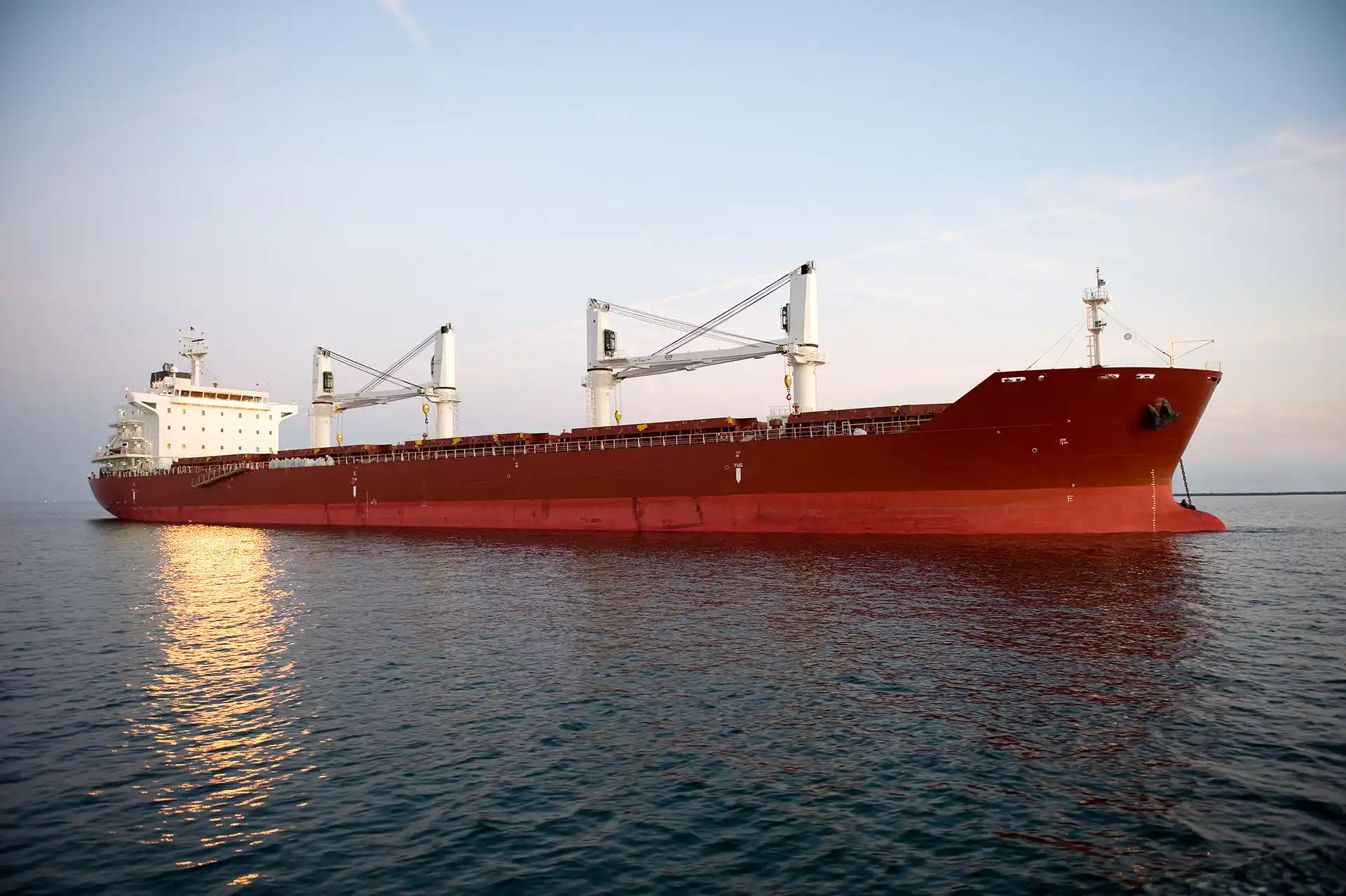
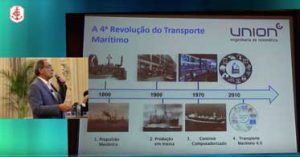
A brief history of the development of automation in maritime traffic reviews the evolution from mechanical propulsion, followed by the mass production of vessels and computerized control of navigation systems, to the present day—the era of Maritime Transport 4.0, featuring the Autonomous Ship concept. The core of this concept is a completely unmanned vessel, at least for parts of the voyage, so as not to compromise the reliability of maritime navigation.
Reliability will be achieved by minimizing the possibility of human error, which has been recognized as the greatest risk for accidents at sea. Approximately 75% of accidents are caused by human error, usually as a consequence of fatigue or stress.
The basic technical requirements and challenges associated with the development of autonomous ships are presented, including advanced control systems, reliable sensors, and their integration with control systems. Additionally, the development and deployment of new onshore infrastructure must be considered.
The expected results of vessel automation in terms of energy efficiency, risk reduction, minimization of environmental impact, increased efficiency in maritime cargo transport, and other factors are debated, qualified, and quantified.
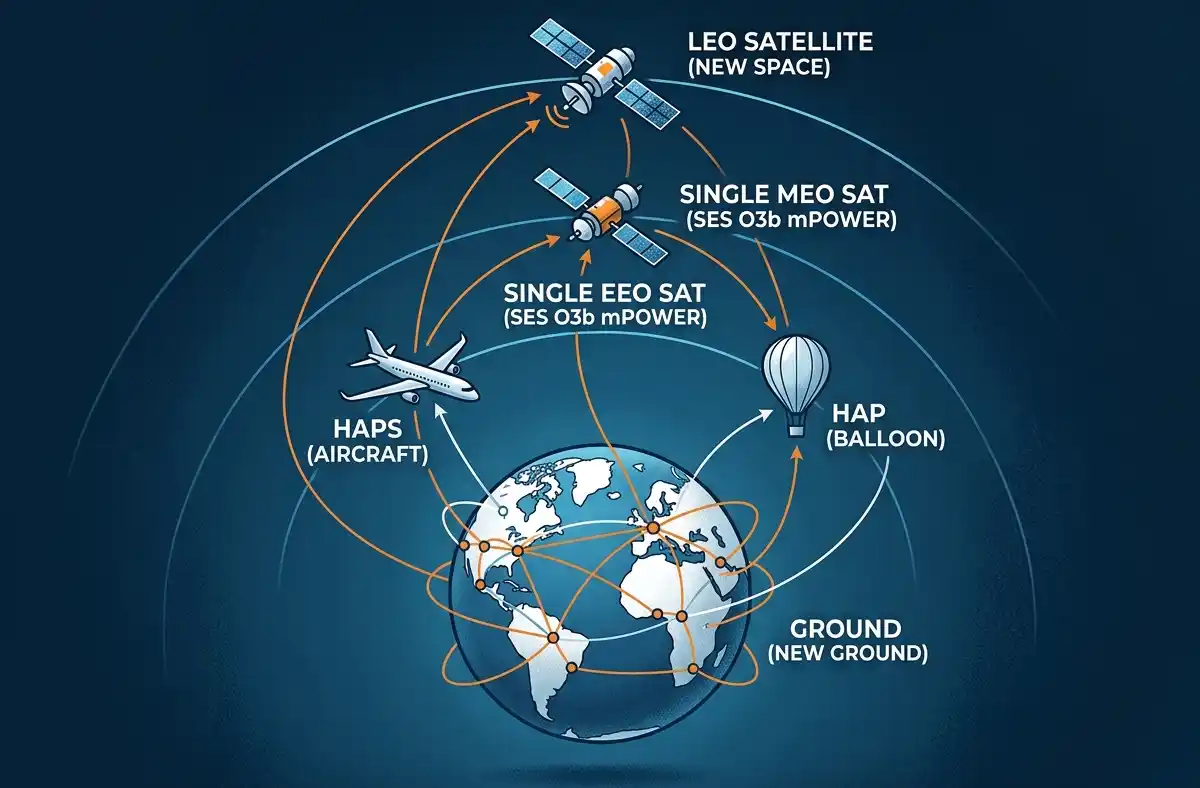
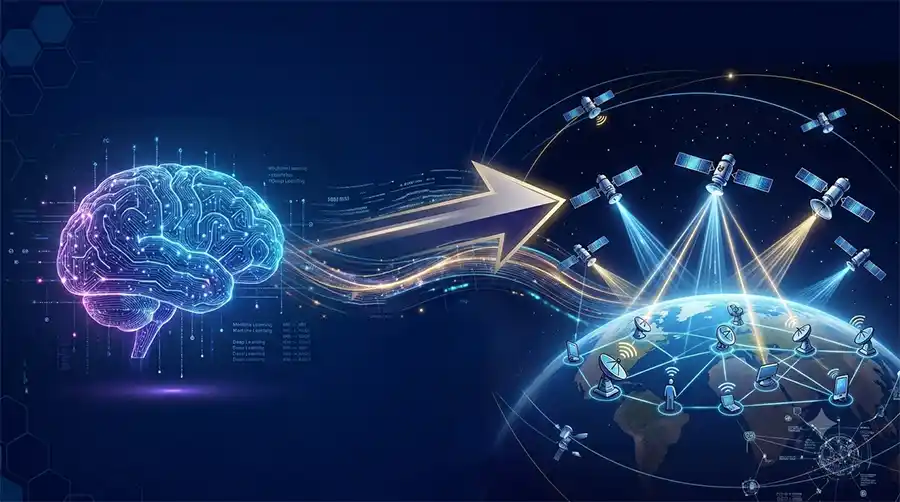
Regarding connectivity, the space systems currently available and under development for the near future are discussed (GEO, with Inmarsat Fleet Xpress and GX, and other geostationary HTS systems; MEO, with O3b; and LEO, such as Iridium Next, Globcomm, OneWeb, LeoSat, etc.).
The presentation concludes with a generally accepted timeline for the implementation of autonomous systems by 2035, as well as a discussion on critical factors that could threaten this timeline, among which the vulnerability of currently available GNSS (Global Navigation Satellite System) systems stands out.
Click here to watch the video of the presentation.