UTCAL Summit 2024
Presented by Waldo Russo (Union Engenharia de Telemática) at the UTCAL Summit 2024, this presentation offers a strategic vision of the future of communications and monitoring in the power sector under the transformative impact of Low Earth Orbit (LEO) satellite constellations.
The work starts with the New Space phenomenon—marked by the transition from expensive hardware-based satellites to agile, cost-effective software-based solutions—and by the drop of up to 85% in launch costs since the 1990s, driven by rideshares, reusable launchers, and increased competition. Next, it presents a fundamental classification of LEO constellations into two groups: High-Throughput Satellites (HTS), such as Starlink, OneWeb, Kuiper, and Telesat Lightspeed; and Low-Throughput Satellites (LTS), focused on satellite IoT (S-IoT), including Brazilian initiatives using nanosatellites.
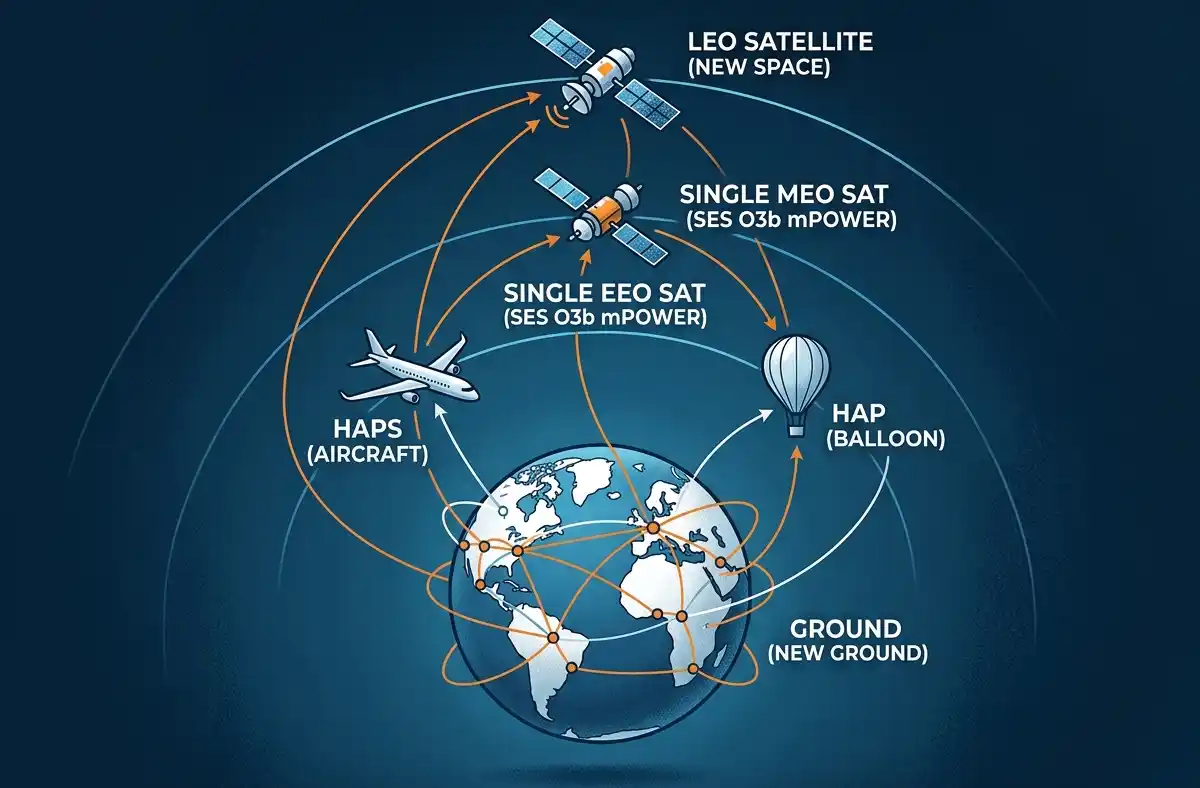
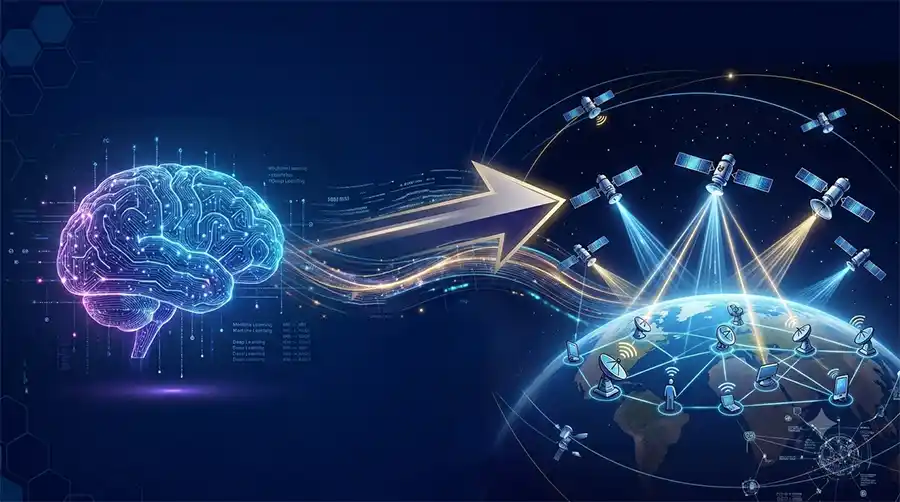
The presentation details typical S2S (delay-sensitive and delay-tolerant) connectivity architectures, the Brazilian regulatory landscape, operational advantages for utilities (remote monitoring, failure prevention, big data, automation, and disaster preparedness), and comparative SWOT analyses between LEO HTS and LTS. It concludes by pointing to the future: the integration of terrestrial and non-terrestrial networks (NTN), combined with artificial intelligence, as the next evolutionary leap for the power sector.
The presentation slides can be obtained by clicking here (attached PDF file).