Waldo Russo
This article is a continuation of Sebastian Buckup’s piece (see HERE), written by Waldo Russo (text and figures). It proposes a similar analysis to the original, seeking a connection between the cinematic fiction released after 2016 and the socioeconomic conditions of the time in which it was produced.
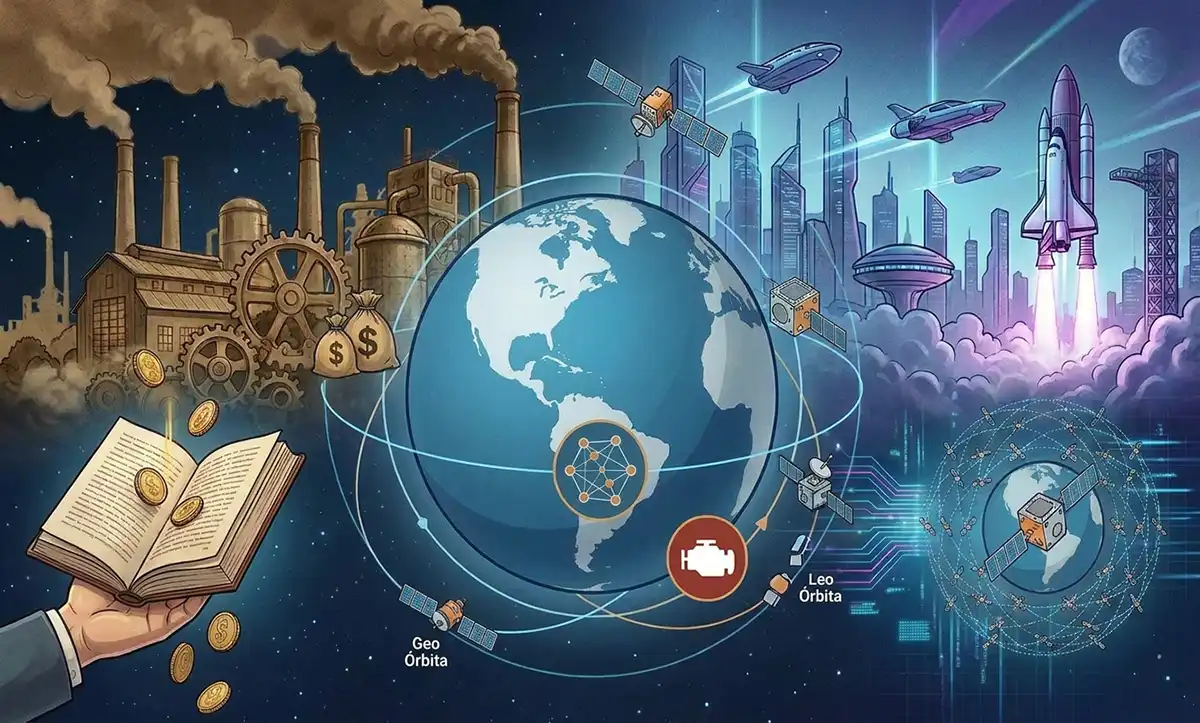
The decade following the period analyzed by Buckup is marked by low productivity in advanced economies, stagnant at a disappointing level of around 1%, despite the explosion of new technologies.
The flat world celebrated by Thomas Friedman began to fold back on itself, with the inexorable dismantling of globalization—an achievement that had required years of great global effort. Tariffs, trade wars and conventional conflicts between nations, the 2020 pandemic, the reconfiguration of production chains, and the return of nationalist policies have once again placed fear at the center of the collective imagination. The level of global trust, already low since the middle of the previous decade, has not improved—it has simply shifted to new forms of distrust.
It is precisely this climate that books and movies has once again begun to “dissect,” to use the expression from Buckup’s article, in order to portray the sentiments of an era.